Cappellini Presents Carnet de Voyage
Milan Design Week 2026
brand
mdw 26
May 2026
Contact Us
book a visit
Location
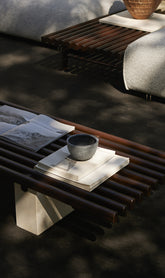
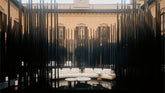
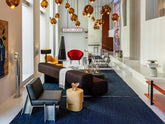
For Milan Design Week 2026, Cappellini transformed its Spazio Cappellini Milano into an imagined journey across continents and cultures. Titled Carnet de Voyage, the exhibition was conceived by Giulio Cappellini as a sequence of environments inspired by Milan, New York, Dakar and Tokyo. Each city introduced its own visual rhythm, atmosphere and emotional register, creating an installation that moved between design, art and memory with cinematic fluidity.
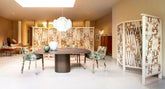
The exhibition unfolded like a travel diary translated into interiors. Milan appeared as a refined domestic landscape where historical references met contemporary experimentation through pieces such as Out of Scale by Elena Salmistraro and the DueVolte tables by Antrei Hartikainen. Bronze sculptures, paintings and collectible objects completed the atmosphere, reinforcing Cappellini’s long standing interest in the relationship between furniture and visual culture.


New York introduced a more structured and metropolitan dimension. Conceived around the image of a Park Avenue office, the space explored balance through carefully composed contrasts between art, architecture and industrial design. The A.B.C. bookcase by Alberto Meda, the BIG Sofa by BIG Bjarke Ingels Group and the Lochness table by Piero Lissoni defined an environment shaped by precision, order and quiet monumentality. Large paintings and collectible objects introduced a sense of intimacy within the urban setting.
The mood shifted completely with Dakar, where color and materiality became central to the narrative. Iconic Cappellini pieces including Tube Chair and Three Sofa de Luxe entered into conversation with the sculptural work of Luciano Francescon and the Tom chair by Reggy St Surin. The space carried a vivid energy that celebrated movement, spontaneity and individuality, offering one of the most expressive moments within the exhibition.


Tokyo, by contrast, focused on restraint and graphic clarity. Black surfaces, fluorescent lighting and acid tones created a futuristic lounge shaped through clean geometries and sharp visual contrasts. Pieces such as the Reti Co sideboard and Orla chairs introduced a more experimental sensibility, while the lighting installations by Draga & Aurel intensified the atmosphere with an almost
cinematic glow. The result was an environment where rigor and playfulness coexisted naturally.